Are you considering a scuba diving trip to Puerto Rico? You might be wondering if the island is worth choosing over other Caribbean destinations. You may be curious where to stay, how to get around, and which areas provide the type of diving you're looking for. We’ve got it covered.
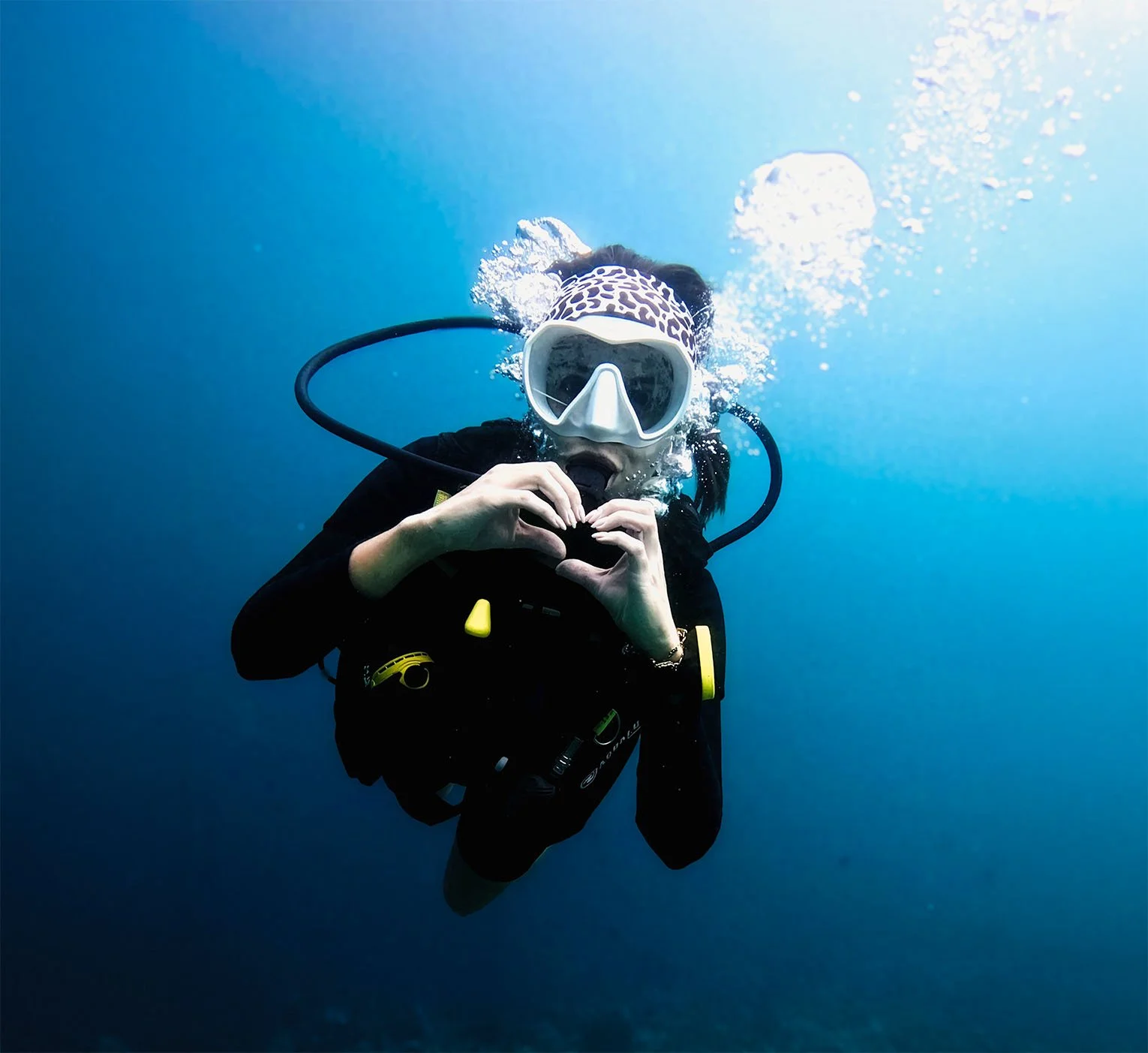
The good news is that Puerto Rico offers variety. Divers can choose from shore dives, boat-access coral reefs, wall dives, and smaller offshore islands and cays. Puerto Rico’s dive sites can suit everyone from newly certified divers to experienced divers seeking more challenging environments.
It’s worth noting that compared with other Caribbean scuba diving destinations, Puerto Rico has fewer overall dive sites and centers, and the best diving takes place hours from the island’s main airport in San Juan.
This makes planning your trip around where you want to dive especially important. Here's what to know before booking your scuba diving trip to Puerto Rico.
IN THIS ARTICLE:
Is Puerto Rico a good destination for scuba diving?
How much diving is there in Puerto Rico?
What kind of diving experience do you need to go to Puerto Rico?
How do you get to Puerto Rico for a dive trip?
Should you rent a car?
What languages are spoken?
What are Puerto Rico's dive centers like?
How much does scuba diving cost in Puerto Rico?
Where should you stay for a scuba diving trip?
What else can you do in Puerto Rico besides diving?
How many days do you need for a scuba diving trip to Puerto Rico?
Is Puerto Rico a good destination for scuba diving?
Puerto Rico is an excellent choice for a vacation that combines scuba diving with sandy beaches, delicious food, vibrant culture and hospitality, and a variety of outdoor activities and sightseeing opportunities such as hiking, river and waterfall tours, paddle boarding, surfing, snorkeling, horseback riding, cycling, zip lining, and more.
Puerto Rico may be especially appealing if you are traveling from the United States. U.S. citizens do not need a passport and can continue using the U.S. dollar. Plus, international visitors may be glad to know that both Spanish and English are widely spoken around the island.
As far as scuba diving goes, the island has several miles of coastline, numerous offshore cays and islands, and dive sites ranging from easy shore dives to advanced walls and offshore sites. Though not abundant or particularly intricate, Puerto Rico is also home to caverns and wreck dives for more experienced divers.
The biggest advantage for many travelers is flexibility and convenience. While you may not encounter the same abundance of marine life or megafauna you would in other countries, you don't have to build an entire vacation around scuba diving. You can spend several days diving and then explore Old San Juan, visit waterfalls and landmarks around the island, hike in El Yunque Rainforest, spend time at any of the island’s many stunning beaches, or simply enjoy the food and culture.

Scuba diver swims alongside jellyfish in Culebra, Puerto Rico.
How much diving is there in Puerto Rico?
Puerto Rico is a scuba diver's paradise, with warm weather year-round and a range of dive sites suitable for all levels. Divers will find an abundance of marine life in its blue waters.
Puerto Rico offers dive sites for any diver, from vibrant, shore-accessible reefs to small wreck dives and caverns. With over 100 dive sites, divers can have plenty to explore. The island also boasts a variety of recognized dive centers, including multilingual dive guides and instructors certified by global agencies such as SSI, PADI, and NAUI.
Diving in Puerto Rico is possible year-round. Water temperatures typically hover around 80°F (27°C). However, dive sites may become unsafe on any given day due to riptide currents, rainfall, surges, tropical storms, and other changing conditions. It is critical to keep an eye on the weather when planning a dive. Visiting divers should be aware of Puerto Rico's hurricane season (June through November).
Visibility varies by dive site and weather conditions. The southern coast of Puerto Rico generally has more consistent visibility, but dive sites must be reached by boat. Shore-accessible dive sites, like Crash Boat Beach in Aguadilla or El Escambrón in San Juan, provide fairly consistent diving.
There are enough dive sites around the island to support multiple dive-focused itineraries, but the experience varies by region.
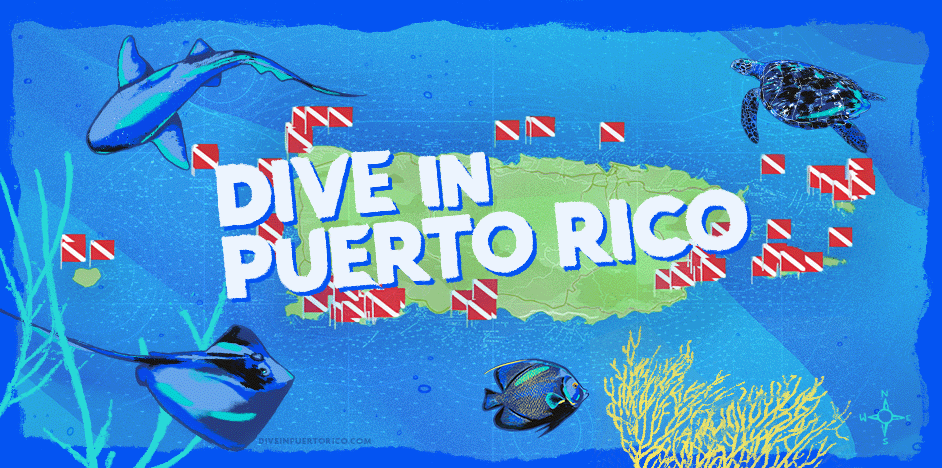
Want to browse dive sites in Puerto Rico? Check out our interactive map.
Scuba diving on Puerto Rico’s north coast
Puerto Rico's northern coastline is known for its stunning beaches. However, when it comes to scuba diving, the north coast is more vulnerable to swells and undesirable diving conditions.
Nevertheless, with mindful dive planning, divers can enjoy a variety of shore-accessible dive sites, such as Los Tubos in Manatí and Cerro Gordo in Vega Alta. San Juan offers some of the most consistent diving conditions in the north coast. While water visibility isn't stellar, La Pocita in Escambrón Beach in San Juan is known for its calm and shallow waters, suitable for divers of all levels. You can often spot sea turtles, fish, coral, and even sunken memorabilia.
Best for: Shore dives and divers who are only spending a few days in Puerto Rico.
Scuba diving on Puerto Rico’s south coast
La Parguera in Lajas is a favored destination for boat tours due to its calm waters and pristine cays. It is also home to one of Puerto Rico's three bioluminescent bays. When it comes to scuba diving, the south coast, particularly around Guánica and Lajas, offers fairly reliable diving conditions. Most notably, The Wall is one of the island's most recognized dive sites due to its abundant marine life, stellar visibility, and impressive drop-off of over 2,000 feet (610 m).
While Guánica and Lajas may be the most popular scuba diving destinations in Puerto Rico’s southern coastline, you’ll also find dive sites in other municipalities such as Ponce. If you’re planning to dive around the area, be prepared to board a boat, as the south coast does not offer many easily accessible shore dives.
Best for: Boat dives and intermediate to advanced divers.
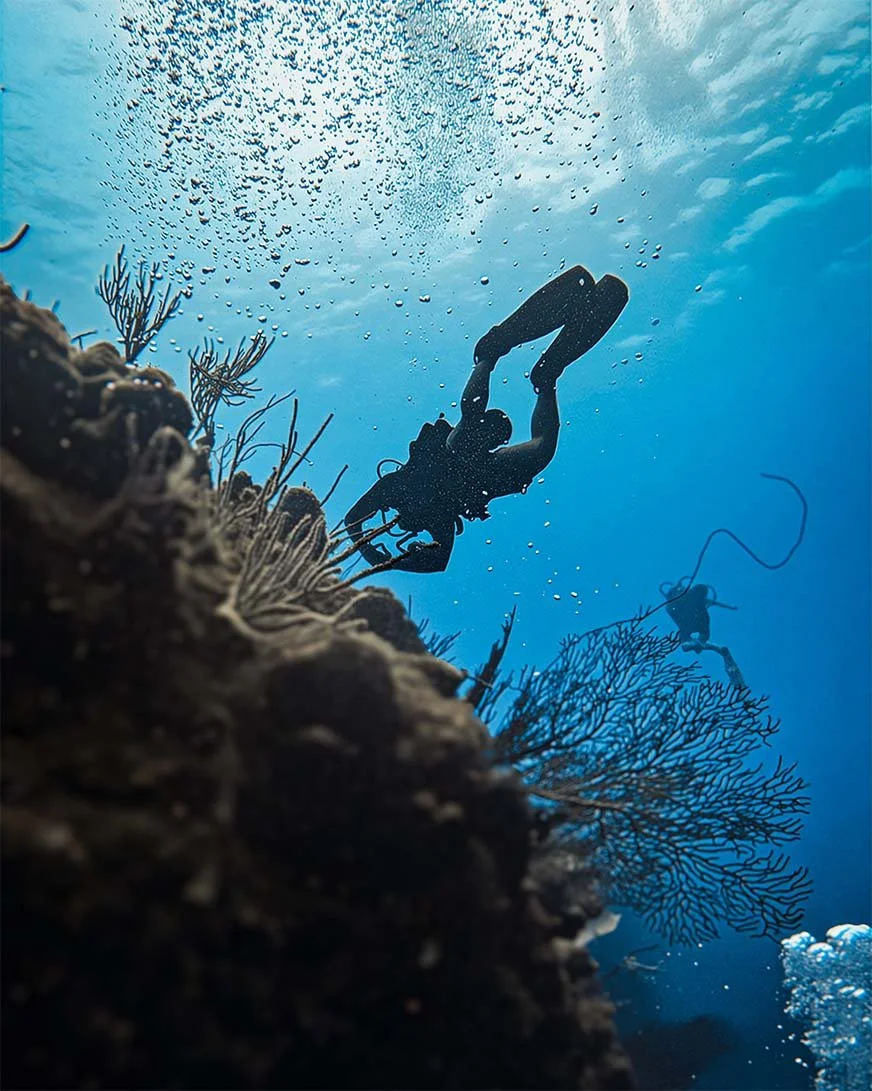
Scuba divers glide above a coral reef wall in La Parguera, Puerto Rico.
Scuba diving on Puerto Rico’s east coast
Puerto Rico's east coast is a popular destination for those looking to enjoy the archipelago's popular islands of Vieques and Culebra. Known for its white sand beaches and turquoise water, Culebra is a highly sought-after destination. As far as scuba diving is concerned, Puerto Rico's east coast offers an exceptional variety due to its many cays and even shipwrecks, such as Cayo Ratón and the WIT Power tugboat.
Besides spending the night or planning a day trip to Vieques or Culebra, divers can also explore dive sites off the coast of Fajardo and Humacao.
Best for: Both boat and shore dives; beginner, intermediate, and advanced divers.
Scuba diving on Puerto Rico’s west coast
You can enjoy diving all along the western coastline, including Cabo Rojo, Mayagüez, Rincón, and Aguadilla. The west coast offers various sites, including plenty of shore-accessible dives. Conditions permitting, more advanced divers can enjoy the caverns at Shacks Beach in Isabela.
The west coast also offers plenty of leisurely shore dives like Tres Palmas in Rincón and Crash Boat Beach in Aguadilla. If the conditions are right, you can take a 45-minute boat ride to Desecheo, a stunning, uninhabited island with pristine visibility.
Best for: Shore dives; beginner, intermediate, and advanced divers.
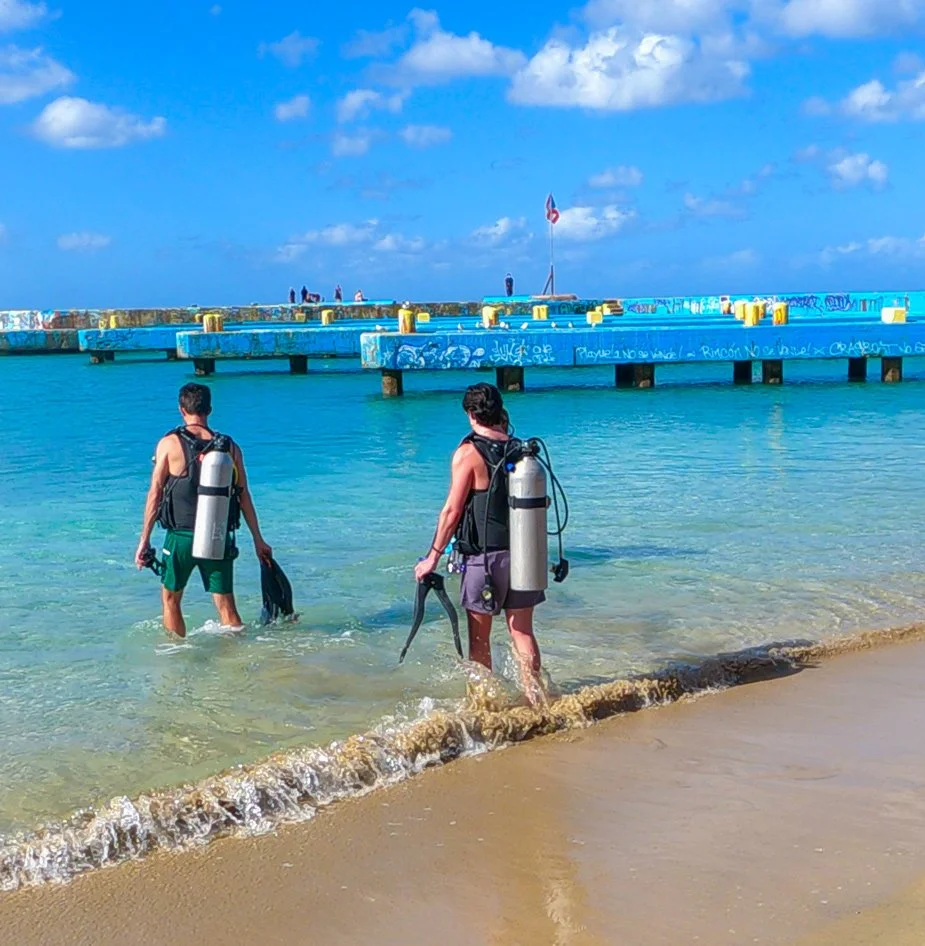
Two scuba divers enter the water for a shore dive in Crash Boat Beach, Aguadilla.
What kind of diving experience do you need to go to Puerto Rico?
Beginner and newly certified divers can find shallow, accessible sites, including shore dives and protected reef environments.
Intermediate divers have opportunities for deeper reefs, walls, boat dives, and offshore sites.
Advanced and experienced divers can seek out dive sites exceeding 100 feet (30 meters), offshore destinations, wrecks, caverns, and sites where conditions, depth, or currents require greater experience.
However, don't assume that a particular site will always be appropriate for a particular certification level. Conditions can change, and local dive professionals choose dive sites based on weather, conditions, and the experience level of the group.

How do you get to Puerto Rico for a dive trip?
For most international travelers, Luis Muñoz Marín International Airport (SJU) in San Juan is the main gateway to Puerto Rico. If you're diving around San Juan, Fajardo, or planning to visit Culebra, San Juan is generally the more convenient starting point.
If you’re planning to concentrate your stay around the west coast, you might prefer to arrive at the Aguadilla (BQN) airport and save yourself a two hour drive from San Juan.
Should you rent a car?
For most tourists and travelers to Puerto Rico, the answer is yes: you should rent a car. Public transportation in Puerto Rico is very limited and even non-existent in some areas. That said, depending on where and how long you intend to stay, it’s likely you would be fine without a car, as you can rely on Uber, Lyft, taxis, or shuttle transportation.
For an island-wide scuba diving trip, a rental car can be extremely useful. Puerto Rico's dive sites are spread across the island, and many of the most interesting diving areas are outside San Juan.
A car gives you considerably more flexibility to choose between dive sites and move between regions. Plus, meeting times for guided dives or boat dives are usually very early in the morning. You wouldn’t want to miss your dive waiting on a pick-up.
What languages are spoken?
Spanish and English are widely spoken around the island. English is widely used in tourism, and many dive centers work with international visitors. Even so, knowing a few basic Spanish phrases can be useful and is always appreciated when traveling.
In Puerto Rico, dive professionals and operators use the imperial system, so you’ll mostly encounter units in feet, pounds, psi, etc., as opposed to meters, kilograms, and bar.
When booking a dive, don't hesitate to ask what language your briefing will be conducted in and clarify equivalencies between the imperial and metric system.
What are Puerto Rico's dive centers like?
The island boasts a variety of recognized dive centers, with multilingual dive guides and instructors certified by global agencies such as SSI, PADI, and NAUI. Dive centers are found in several of Puerto Rico's main diving regions, although availability and the types of trips offered vary by location.
Depending on the operator, you may find scuba diving services such as:
Guided shore dives
Guided boat dives
Guided night dives
Private charters
Equipment rental
Air fills and cylinder rental
EANx (Nitrox)
Scuba refreshers
Try Scuba or Discover Scuba Diving experiences
Open Water Diver certifications
Specialty and continuing-education courses
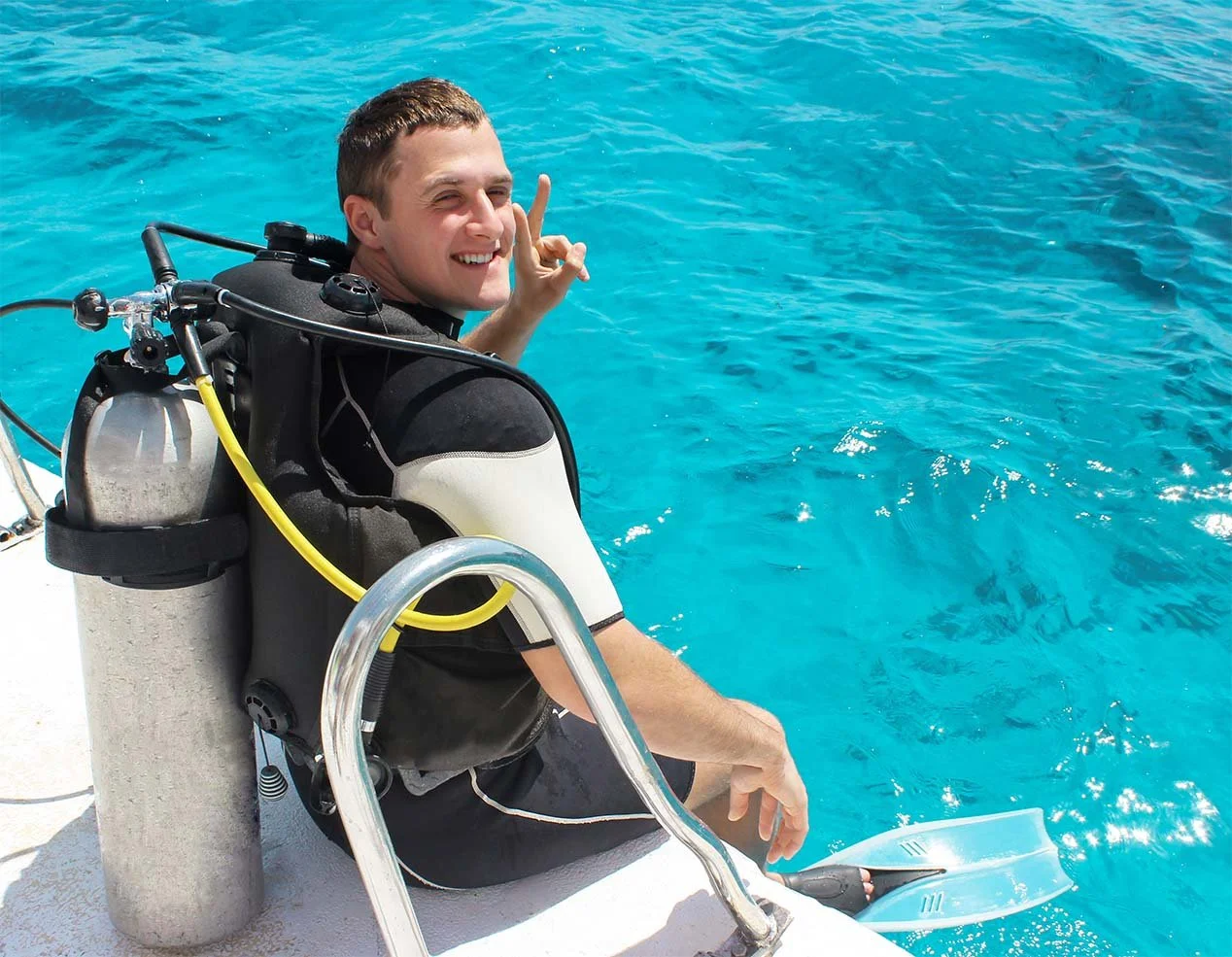
How much does scuba diving cost in Puerto Rico?
The cost of a guided dive varies depending on the region, whether you're doing a shore or boat dive, whether you need equipment rental, whether it's a regular recreational dive or a specialty dive like a night dive, and whether you book a standard experience or a private charter.
Two-tank recreational dives can cost anywhere between $100–$250 (USD) per diver, depending on the region, group size, need for equipment rental, and whether it’s a boat or shore dive.
An Open Water Diver course in Puerto Rico costs between $400 and $600.
Air fills or cylinder rentals range between $10–15. You can rent a full set of equipment for around $65 per day.
Often, scuba diving professionals and operators will offer discounts for groups.
While these prices are useful for budgeting, don't treat them as fixed rates. Check each operator's current pricing before booking and confirm exactly what's included.
Where should you stay for a scuba diving trip?
We recommend choosing your accommodations based on the type of diving or vacation itinerary. You may want to split your stay between two regions if you're visiting for a week or longer.
Stay in Aguadilla, Isabela, or Rincón if shore diving and western Puerto Rico are your priorities.
Stay in Luquillo, Ceiba, or Fajardo if you want convenient access to eastern reefs and day trips to Vieques or Culebra.
Stay in Culebra or Vieques if you are seeking a more secluded, remote experience.
Stay in San Juan if you want to be close to the main airport, transportation options, urban attractions, and nightlife.
You’ll find plenty of hotel, resort, Airbnb, and short-term rental options in Puerto Rico.
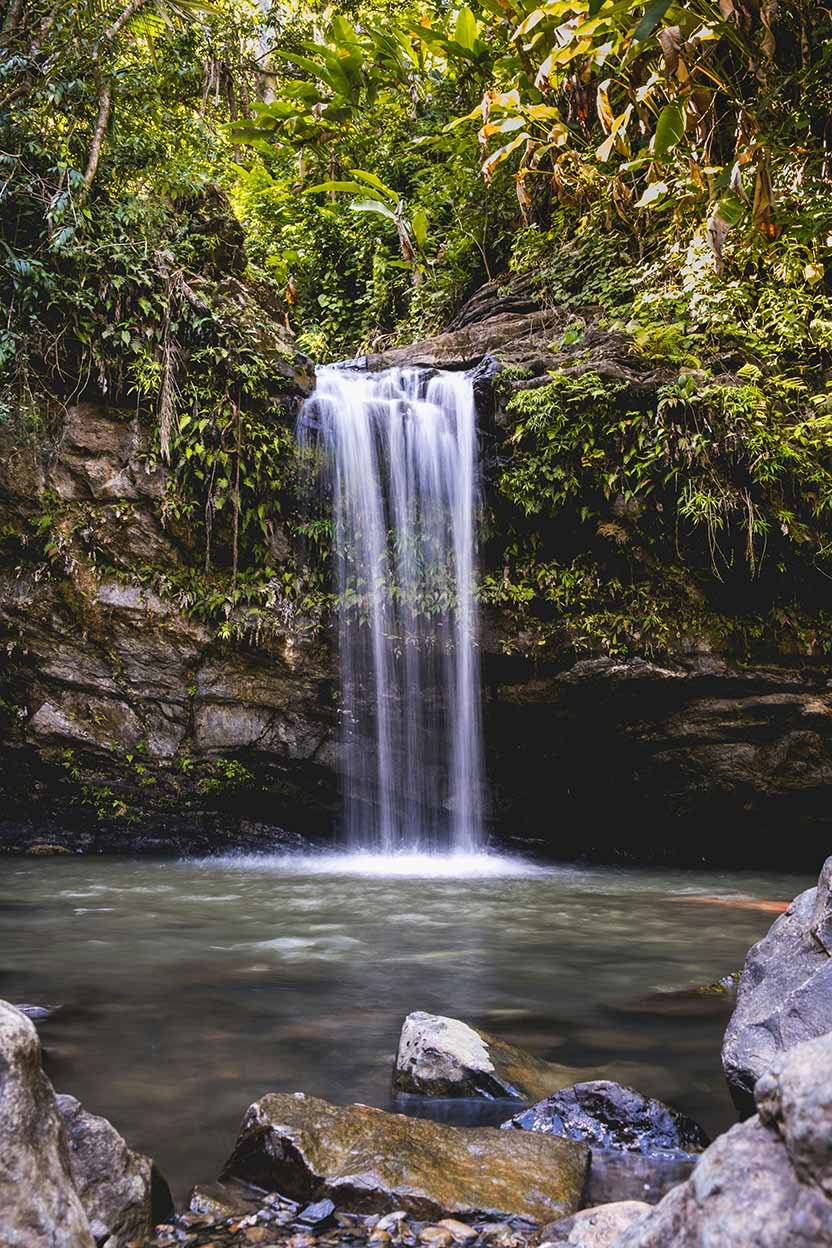
Waterfall in Puerto Rico’s El Yunque Rainforest. Courtesy of Wenhao Ruan.
What else can you do in Puerto Rico besides diving?
There’s plenty for tourists and visitors to do in Puerto Rico besides diving. This is one of the biggest reasons to consider Puerto Rico over a more dive-centric destination like Bonaire or Belize. Non-diving activities include:
Hiking in El Yunque National Forest
Visiting warm, stunning beaches all over the island
Trying adventure and nature-focused guided experiences like zip lining, horseback riding, and cave tours
Experiencing Puerto Rican music, nightlife, and culture
Visiting lighthouses and hundreds of other sightseeing spots around the island
Exploring the island's mountains, cacao-growing, and agricultural regions
Kayaking, paddle boarding, surfing, snorkeling, and other water activities
Seeing the island’s bioluminescent bays
Walking through historic Old San Juan
Trying local food and cuisine
And much more…
Because Puerto Rico offers such a broad range of experiences, you can build a dive vacation that also works for non-divers traveling with you.
How many days do you need for a scuba diving trip to Puerto Rico?
Driving between regions, coordinating guided dives, and allowing flexibility for weather can quickly fill up your vacation schedule. For a first trip, five to seven days gives divers enough time to experience diving in Puerto Rico without turning the vacation into a race around the island. A shorter trip can work if you're staying in one area and planning only a single dive day.
Plan for a longer stay if you're hoping to experience both western and eastern Puerto Rico, or if you wish to add Culebra or Vieques to your itinerary, as the latter require an additional ferry ride or short flight. Learn more about how to get to Vieques or Culebra.
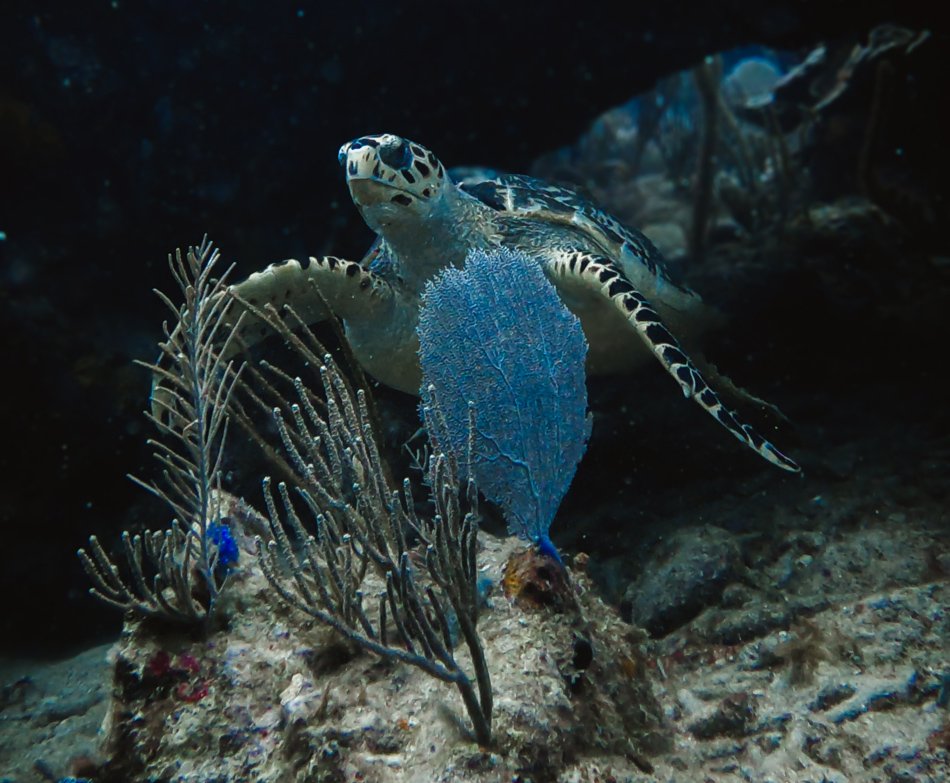
Sea turtle seen by scuba divers in Mayagüez, Puerto Rico.
Is Puerto Rico the right scuba diving destination for you?
The good
Puerto Rico is likely a great fit if you want variety, flexibility, warm waters, accessible shore diving, offshore dive site options, and plenty to do when you're not underwater. It's particularly attractive to U.S. travelers who can visit the island without a passport and can take advantage of short direct flights.
Some divers may also be glad to know that many boat dive operators in Puerto Rico go out in small to medium vessels, which allow for smaller groups of 4-10 people. If you are a diver who is easily put off by overcrowded “cattle boats,” you’ll enjoy the smaller group sizes.
If you have concerns about the size, amenities, or features of a vessel, we encourage you to get in touch with dive operators before booking a scuba experience.
The trade-offs
The best dive sites on the island are several hours from the main SJU airport. Which means you’ll likely need to rent a car or carefully research your transportation options.
It’s worth noting that, while there is plenty of marine life to see, Puerto Rico can be less compelling for divers who are seeking abundant megafauna or advanced, technical diving such as cave diving or wreck penetration.
Finally, visiting divers should be aware of Puerto Rico's hurricane season (June to November). Because a major weather event is sporadic and unpredictable, divers who visit during hurricane season should consider purchasing travel insurance.
We recommend that you first decide what type of diving you want to do and where, then find local dive guides or dive centers and plan the rest of your travel itinerary. Want a helping hand? Get in touch with us about planning your next diving adventure.
Puerto Rico is an excellent scuba diving destination for those seeking warm Caribbean waters, beautiful sandy beaches, personalized diving experiences, dive sites suitable for a wide range of skill levels, and plenty of sightseeing and entertainment options for days away from the water. We hope you're inspired to dive in Puerto Rico!