


Beginner Resources:
How to Get Started Scuba Diving in Puerto Rico

Have you decided you want to learn to scuba dive?
Do you want more information on how and where to dive in Puerto Rico? Great! You've come to the right place.
Scuba diving can help you experience and appreciate marine life. More than just an adventure, diving will teach you new skills and allow you to experience underwater life in a unique way. For many, diving becomes a lifelong hobby.
While diving comes with certain risks, it can be a sport suitable for children, young adults, and adults with proper preparation.
Puerto Rico is an ideal destination to learn scuba diving. The island features multiple dive sites, including reefs that are accessible from the shore or by boat. Additionally, Puerto Rico has multiple professional instructors certified by globally recognized agencies such as PADI, SSI, NAUI, and more. Best of all, thanks to the island's warm climate, diving is possible year-round.
Want to start diving in Puerto Rico? Here’s some beginner-friendly information to answer common questions.
How can I start scuba diving in Puerto Rico?
If you've never dived before or haven't earned a scuba certification, you have two options: schedule an intro session or enroll in a scuba diving course. What's the difference?
An intro session, also known as Try Scuba or Discover Scuba Diving, is an ideal introduction for people who aren't yet ready to commit to a scuba diving course. Completing a discovery session won't certify you as an independent diver. A session lasts a few hours and can help you decide whether to continue learning to dive.
A scuba diving course is a formal learning program that includes theory, safety, and practical skills classes. Upon completion of a scuba diving course led by professional instructors, you'll receive a scuba certification recognized by global diving agencies. Although shorter courses are available, many aspiring scuba divers start with the Open Water Diver (OWD) course.
Not sure whether to do a trial session or an Open Water Diver course?
We recommend consulting with dive professionals to discuss the best option for you. If you'd like help, click here to contact us, and we would be glad to answer your questions. We'll take into consideration your availability, budget, location, interests, etc.

What can I do with an Open Water Diver certification?
By completing an Open Water Diver course with instructors affiliated with a global agency such as SSI (Scuba Schools International), PADI (Professional Association of Diving Instructors), NAUI (National Association of Underwater Instructors), or others, you will obtain your Open Water Diver (OWD) certification.
An Open Water Diver certification will provide you with theoretical knowledge of the fundamentals of diving and several hours of in-water practice. This training will prepare you to dive responsibly. By obtaining an Open Water Diver certification, you will be able to:
Dive independently (complete dives outside of your classes)
Rent scuba equipment and air cylinders in Puerto Rico and other countries.
Dive to a maximum depth of 60 feet/18 meters (deeper dives require additional training on an advanced course).
Participate in diving trips or activities in Puerto Rico and internationally.
Qualify for advanced courses to help you develop additional skills (Advanced Open Water Diver or specialized courses such as technical diving, cave diving, rescue, among others).
What do scuba diving classes consist of?
Open Water Diver courses generally consist of three parts: dive theory, confined water practice, and open water dives.
Dive theory will provide you with knowledge about risks and safety measures, the necessary equipment, the required skills, and the fundamentals of diving. These sessions are completed in person and through digital modules.
In confined water sessions, you'll learn the skills you'll need to complete the course and be able to use scuba equipment correctly.
During open water dives, you'll have the opportunity to put your new knowledge into practice.

How long does it take to complete an Open Water Diver certification?
Generally, completing your Open Water Diver certification can take 4 to 7 consecutive or staggered days. However, the course length varies depending on factors such as:
The instructor's or dive center's schedule
The student's availability
The feasibility of completing dives based on weather conditions
The students' learning pace.
Just like any new skill, each student learns at their own pace. Some people feel more comfortable in the water, while others may need more practice. This difference in comfort and ability will influence the length of the course.
We encourage you to resist any urge to rush through your training. It's more important to master the skills thoroughly and feel confident in the water than to obtain a certification quickly.
Requirements: Can anyone learn to scuba dive? Do I need previous experience? Do I need to know how to swim?
Scuba diving is for everyone. The Dive in Puerto Rico team believes that, with proper training, we all have the potential to explore the underwater world regardless of our age, athleticism, or comfort level in the water.
Learning to scuba dive is a rewarding hobby. In addition to enjoyment and exercise, diving provides a greater appreciation for marine ecosystems and the environment.
No prior experience in water sports is necessary to begin scuba diving. However, for the safety of participants, diving agencies and professionals recommend that students meet the following requirements:
Be 8 years or older for scuba experiences, or 10 years or older for certification programs.
Be in good health and reasonably fit. (Every student will complete a medical questionnaire and, in some cases, will need to submit a doctor's certificate.)
Possess basic swimming skills.
Are there any health conditions that prevent me from scuba diving?
There are medical conditions that affect or increase the risks associated with scuba diving. Anyone interested in diving will complete a medical questionnaire, and in some cases, especially if they are at high risk, will need to submit a medical certificate before starting a diving course.
People with heart problems, diabetes, lung disease, and other conditions may be at greater risk. You should not dive if you are pregnant. The Divers Alert Network (DAN) offers resources with more information about various health conditions and their relationship to diving. When in doubt, consult your doctor.
What is the minimum age to complete a diving certification?
While this may vary by agency, generally speaking, Open Water Diver certification programs require participants to be at least 10 years old. Shorter, introductory scuba experiences have lower minimum age requirements, such as 8 years old.
How do I choose a diving agency or instructors?
Choosing the right scuba diving certification agency is just as essential as finding an instructor who is the right fit for your needs. There are many agencies to choose from operating worldwide, amongst the most popular are SSI (Scuba Schools International), PADI (Professional Association of Diving Instructors), NAUI (National Association of Underwater Instructors), and SNSI (Scuba and Nitrox Safety International).
Here are a few factors to keep in mind when selecting a scuba diving certification agency:
Accreditation and safety standards: Accredited agencies, such as those mentioned above, have been evaluated by third-party organizations, such as the World Recreational Scuba Training Council (WRSTC), and found to meet safety and training standards.
Specialties: Some certifying agencies are better suited to commercial/technical divers than to recreational divers. Consider your scuba diving goals. Are you hoping to dive just for fun? Do you envision pursuing a diving career or a career that involves scuba diving? If you have specific interests or goals, you may want to choose an agency that offers the specialty courses you're interested in.
Location: Some agencies may or may not have affiliated centers or scuba professionals in your area. If you are unable to travel, location may be a determining factor when choosing a certifying agency.
Training standards, pacing, and agency size may vary, but they generally have similar curricula that will thoroughly prepare you for scuba diving. Prioritize agencies that have a history of producing competent and safe divers. Choose carefully, but also remember that you can cross over from one agency to another in the future.

Recommendation: Before selecting an agency, look for reviews, consult with active divers, or speak to your prospective diving instructor. Teaching styles are an important factor. For example, you might be looking for an instructor with extensive experience teaching youth, older adults, people with disabilities, etc.
How much does it cost to learn to dive in Puerto Rico?
The total price of an Open Water course varies depending on the certifying agency, instructor, or dive center you choose. Generally, an Open Water Diver course in Puerto Rico costs between $400 and $600 (USD). Discounts are often available for groups.
You should also consider the cost of purchasing or renting scuba gear and cylinders after obtaining your certification.
Where can you scuba dive in Puerto Rico?
Puerto Rico is an ideal place to learn to dive. Puerto Rico has multiple dive sites around the island, including reefs accessible via shore or by boat. You may have visited popular dive sites without realizing it, such as Escambrón Beach in San Juan, Crash Boat Beach in Aguadilla, and Los Tubos in Manatí. Click here to learn more about dive sites in Puerto Rico.
What marine life will I see in Puerto Rico?
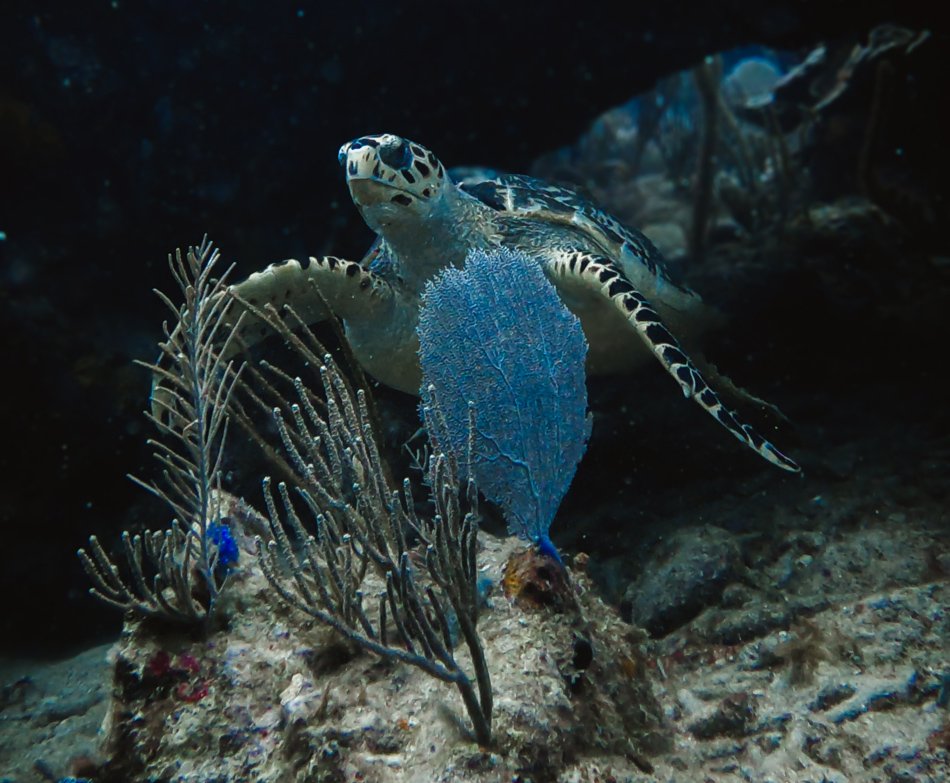
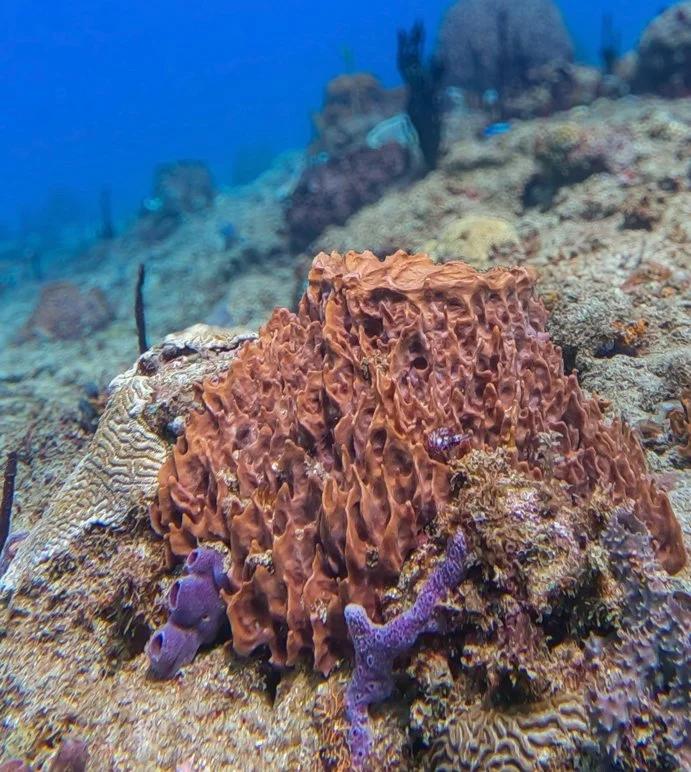
You can expect to spot marine life typical of the Caribbean. On Puerto Rico's reefs, you can find soft and hard corals, brain corals, elkhorn corals, and sea fans. Marine species that can be observed include nurse sharks, Caribbean reef sharks, rays, parrotfish, angelfish, trumpetfish, moray eels, seahorses, lobsters, barracudas, dolphins, and whales, among many other species. Turtle species seen locally include the green turtle, leatherback, and hawksbill. Click here to learn more about Puerto Rico's marine life.
Let’s go scuba diving in Puerto Rico!
We can answer your questions to help you dive in Puerto Rico!
Need help getting started?