

Puerto Rico: A scuba diver’s paradise
Puerto Rico is a scuba diver's paradise, with warm weather year-round and a range of dive sites suitable for all levels. Divers will find an abundance of marine life in its blue waters.
The island boasts a variety of recognized dive centers, including multilingual dive guides and instructors certified by global agencies such as SSI, PADI, and NAUI.
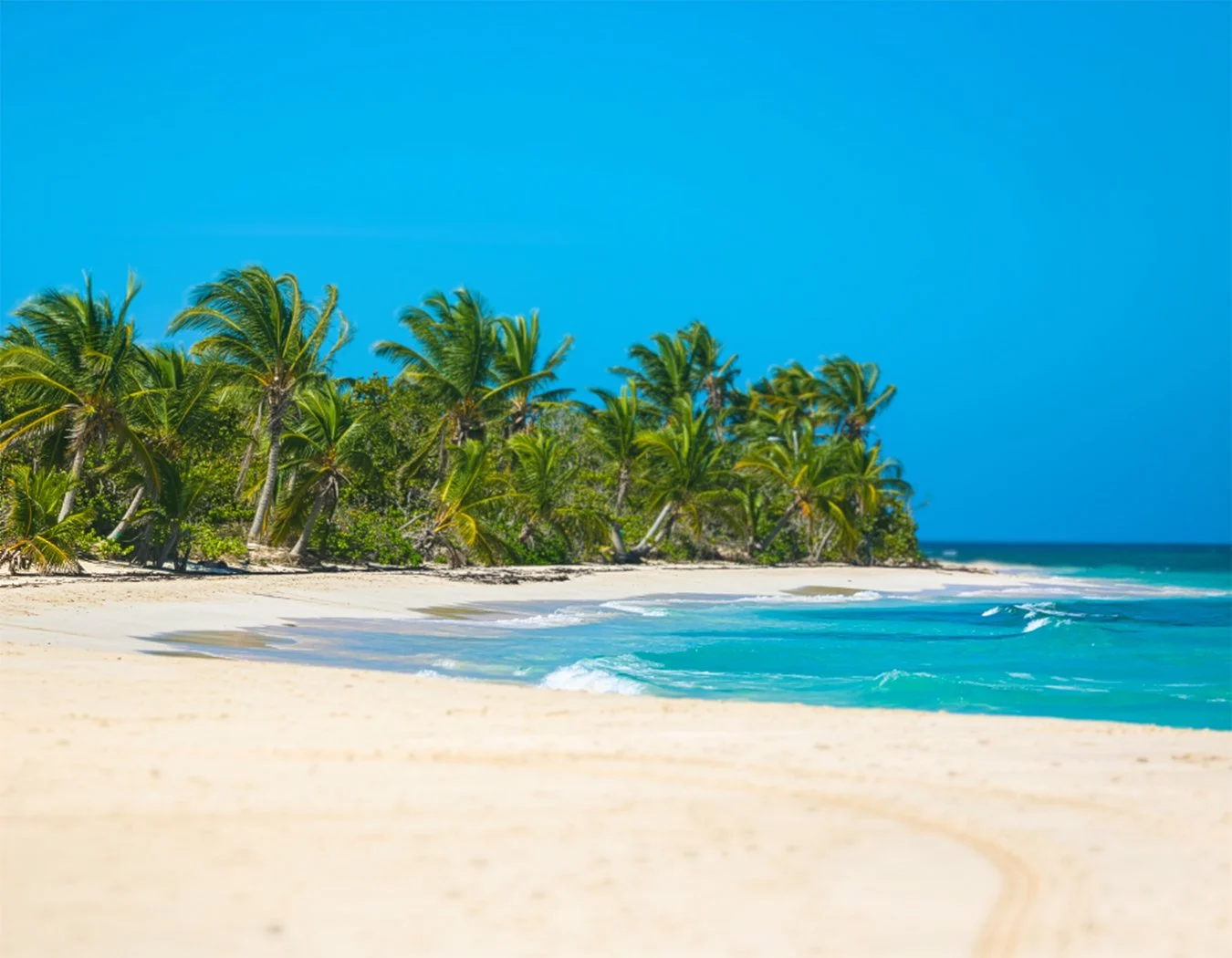
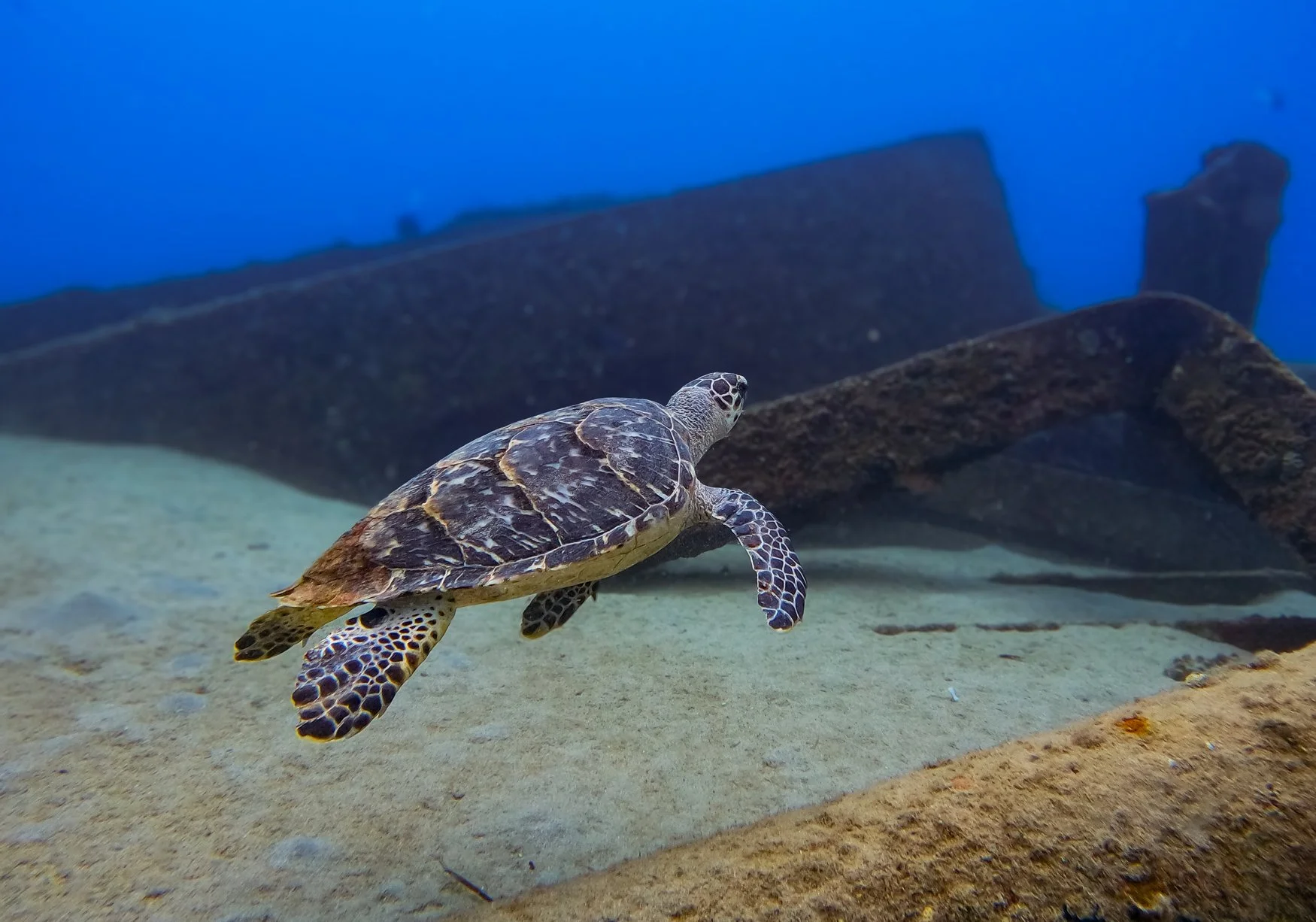
Marine life in Puerto Rico
Puerto Rico's reefs are rich with corals and sponges. Divers can observe pencil, finger, brain, branching, and encrusting coral. Around the island, divers may also observe elkhorn corals, branching staghorn corals, and sea fans.
Marine life sightings include nurse sharks, Caribbean reef sharks, stingrays, parrot fish, French angelfish, trumpetfish, moray eels, seahorses, flounders, lobsters, barracuda, dolphins, whales, and many other species! Regionally observed turtle species include green, leatherback, and hawksbill sea turtles, known locally as the “carey.”
Learn more about marine life and biodiversity in Puerto Rico.

Diving conditions in Puerto Rico
Diving in Puerto Rico is possible year-round. However, dive sites may become unsafe on any given day due to riptide currents, rainfall, surges, tropical storms, and other changing conditions. It is critical to keep an eye on the weather when planning a dive. Divers from other countries should be aware of Puerto Rico's hurricane season (June through November).
Water temperatures typically hover around 80°F (27°C). A 0.5mm to 1mm thick wetsuit is usually sufficient, while susceptible divers may prefer 3mm. Some divers, especially those used to colder climates, may feel comfortable diving without a wetsuit.
Visibility varies by dive site and weather conditions. The southern coast of Puerto Rico generally has more consistent visibility, but dive sites must be reached by boat. Shore-accessible dive sites, like Crash Boat Beach in Aguadilla, provide fairly consistent diving.
Dive sites in Puerto Rico
Puerto Rico offers dive sites for any diver, from vibrant, shore-accessible reefs to exciting wreck dives and caverns. With over 100 dive sites, you’ll have plenty to explore!
Many parts of the island offer consistent diving conditions via boat-accessible dive sites. Though plenty of spectacular dive sites are easily accessible by shore.
Dive centers and instructors on the island can accommodate a wide range of needs, including first-time divers, certified recreational divers, and experienced technical divers.
Let’s go scuba diving in Puerto Rico!

Planning a trip to Puerto Rico?
Let us help you plan your next diving adventure!
Frequently Asked Questions
-
No. Many dive centers around the island offer “Discover Scuba” or “Try Scuba” experiences for first-timers, allowing you to try scuba diving without prior experience. You may also choose to get an Open Water scuba diving certification.
Click here to learn more about how to get started diving in Puerto Rico.
-
Wearing a wetsuit when diving is recommended. It protects you from abrasions and marine life and helps you maintain your body temperature, resulting in a better diving experience. Many divers, especially those with cold weather tolerance, may prefer to dive without a wetsuit. Generally, 1mm to 2mm full-body suits or shorties may be sufficient between April and September. While many divers prefer 3mm from October through March.
-
Yes. Many dive centers in Puerto Rico offer Enriched Air Nitrox specialties as well as Nitrox fills for certified EANx divers.
-
United States citizens do not need a passport to visit Puerto Rico. For more information about traveling to Puerto Rico, visit Discover Puerto Rico. If you’re planning a scuba trip, check out How to plan a scuba diving trip to Puerto Rico.
-
Although rare, you may occasionally encounter sharks while scuba diving in Puerto Rico. Some local companies offer "shark dives," allowing divers to visit locations sharks tend to frequent. Puerto Rican dive centers do not provide cage diving experiences. The more common sightings include nurse sharks and Caribbean reef sharks.
-
Yes! Many dive sites are suited for families, children, or first-time divers. Crash Boat Beach in Aguadilla and Escambrón Beach in San Juan are among many. Both sites are shallow, easily accessible from the shore, and offer nearby food options and parking.
-
While Puerto Rico may not have large-scale penetration dives, it certainly offers diveable wrecks. These include a B-29 bomber plane and various vessels such as the MV Ambar and the Wit Power. However, it's important to note that wrecks like the MV Ambar and the B-29 are suitable only for advanced and technical divers due to their depth. Additionally, the island's wreck dives are not accessible from shore, which means there is a limited window for safe diving conditions.
-
Regulations vary depending on the type of fishing equipment, the marine species, and the time of year. We encourage you to verify the most up-to-date local regulations. You can refer to the Department of Natural & Environmental Resources' recreational fishing guidelines, Sea Grant Puerto Rico, and the Caribbean Fishery Management Council for more information.
-
Cost will vary depending on the region, type of dive (shore, boat, night, etc.), number of divers, equipment rental, and other factors. Two-tank recreational dives can cost anywhere between $100–$250 (USD) per diver. An Open Water Diver course in Puerto Rico costs between $400 and $600. Air fills or cylinder rentals range between $10–$15. A full set of equipment rental can cost around $65 per day. Check each operator's current pricing before booking and confirm exactly what's included.